On 11 August 2026, MinterEllisonRuddWatts hosted its 23rd Annual Corporate Governance Symposium in Auckland, bringing together directors and senior executives to explore a question that is increasingly shaping board agendas: how should organisations respond to geopolitical uncertainty?
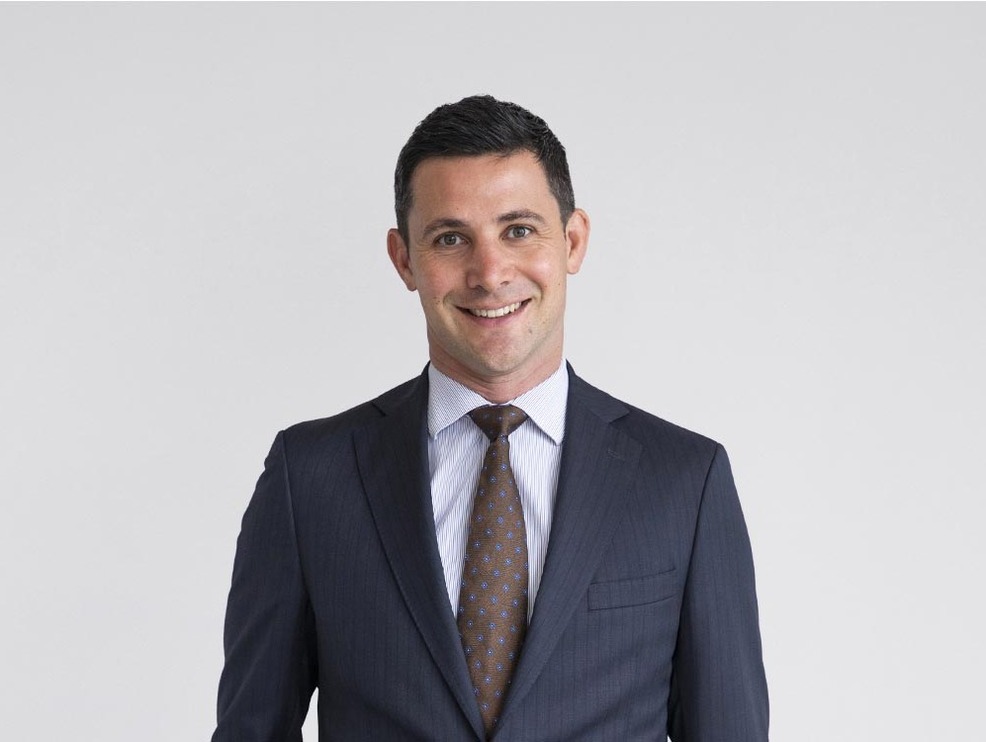
Opening the Symposium, Partner Mark Forman observed that while boards cannot predict every geopolitical shock, they can determine how prepared they are to respond. In an environment shaped by global conflicts, trade tensions, technological competition and supply chain disruption, geopolitical risk is no longer a peripheral issue. It has become a core governance consideration.
ANZ Head of Geopolitical Risk Cameron Mitchell set the scene by examining the geopolitical forces reshaping the global business environment. He described a world increasingly defined by strategic competition between major powers, growing economic fragmentation, and the interconnected trade, technology and supply chain "corridors" through which geopolitical risk is transmitted. While boards cannot control these forces, Mitchell argued they can respond by strengthening their ability to identify emerging risks, test assumptions, prepare contingency plans and act decisively when disruption occurs.
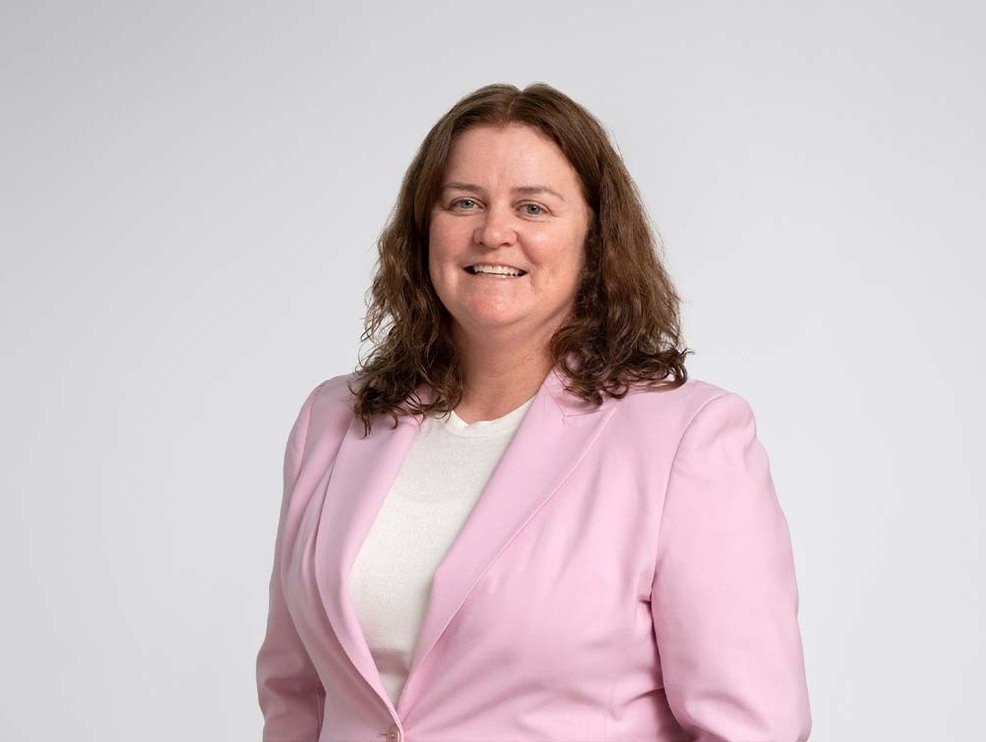
The discussion was followed by a panel moderated by MinterEllisonRuddWatts Partner Sarah Salmond, featuring experienced directors Jonathan Mason (independent director of Zespri, Fonterra, the NZ/US Council, University of Auckland, Dilworth Trust and American Chamber of Commerce), Julia Hoare (independent director and chair of Auckland Airport and Port of Tauranga, and independent director of Meridian) and Mark Cross (independent director and chair of Vocus, independent director of Fisher & Paykel Healthcare, Xero and Chorus, and board member of ACC).
Several key themes emerged.
Geopolitical risk is now a governance issue
A recurring message throughout the Symposium was that geopolitical risk is not about predicting the future. Rather, it is about ensuring organisations have the capability, processes and decision-making frameworks to respond effectively when unexpected events occur.
Mitchell highlighted a range of geopolitical pressures currently influencing businesses, including tensions between the United States and China, ongoing conflicts in Europe and the Middle East, and the increasing use of economic policy tools such as tariffs. While the specific events may vary, the implications for boards are increasingly direct.
Directors were encouraged to adopt a structured approach to geopolitical risk by scanning the horizon for emerging risks and opportunities, conducting scenario planning, stress testing assumptions, maintaining contingency plans and regularly exercising crisis response frameworks.
Uncertainty may matter more than the shock itself
Discussion of US trade policy highlighted that the most significant challenge for many organisations is often not the impact of a specific policy change, but the uncertainty that surrounds it.
While tariffs may affect industries differently, uncertainty around future policy settings, market access and global trade relationships can complicate strategic planning, investment decisions and long-term capital allocation.
The panel noted that boards should maintain a close watch on developments in major economies and political systems, recognising that policy shifts can create both risks and opportunities for New Zealand businesses.
Investing for resilience in a volatile world
For boards overseeing major infrastructure or long-term investment decisions, disciplined decision-making remains critical.
Before committing to large-scale projects, boards should consider whether investments will create long-term value, strengthen organisational resilience and remain viable through periods of economic and geopolitical instability.
The discussion also highlighted the importance of domestic policy settings that support long-term investment and infrastructure development. At the same time, boards should consider how emerging technologies, including AI and alternative energy sources, may reshape future infrastructure requirements and investment priorities.
Technology has become a geopolitical decision
Technology risk is increasingly extending beyond traditional cyber security concerns.
As Mitchell noted, technology has become one of the key geopolitical "corridors" alongside trade and supply chains. Decisions about AI platforms, cloud infrastructure, data storage, technology vendors and digital dependencies now have geopolitical dimensions that boards must understand and manage.
At the same time, organisations must remain alert to the opportunities technological innovation can create. The challenge for boards is balancing resilience and security considerations with the need to maintain competitiveness and realise the benefits of emerging technologies.
Looking for upside amid disruption
A strong theme throughout the Symposium was the importance of looking beyond risk.
Boards can naturally focus on managing downside scenarios, but periods of disruption can also create significant competitive opportunities. Directors were encouraged to actively consider where geopolitical and economic shifts may create new avenues for growth, investment or market expansion.
New Zealand possesses several strategic advantages, including strong food production, abundant renewable energy resources, political stability and a reputation as a trusted trading partner. Leveraging these strengths will be important as global markets continue to evolve.
From resilience to anti-fragility
One of the more compelling ideas discussed was the concept of "anti-fragility".
Resilience can be seen as an organisation's ability to withstand disruption and continue operating. Anti-fragility goes a step further. It involves positioning an organisation to emerge stronger from disruption by identifying and acting on opportunities created by volatility.
In practice, this means encouraging management to bring forward ideas that not only mitigate risk but also capitalise on changing market conditions. It also requires organisations to reassess long-standing assumptions, including reliance on favoured export markets that may become vulnerabilities in a more fragmented global environment.
Diversification is strategic insurance
The panel emphasised that diversification of supply, customers and sources of capital remains one of the most practical tools available to boards seeking greater resilience.
Organisations that operate across multiple markets are typically better positioned to absorb economic or geopolitical shocks affecting any single jurisdiction. While diversification often requires sustained investment and commitment, boards should view it as a strategic capability rather than a short-term response to uncertainty.
Building geopolitical capability in the boardroom
The discussion also focused on practical governance measures boards can adopt.
While many organisations have well-developed plans for single-event scenarios such as cyber attacks or pandemics, fewer regularly test combinations of events occurring simultaneously. Multi-event scenario planning was identified as an area where many boards could strengthen their preparedness.
Boards were encouraged to focus on understanding the key forces shaping geopolitical change, including political realignment, AI sovereignty, energy transitions, wealth inequality and challenges to the rules-based international system.
When faced with an overwhelming volume of information, directors should focus on identifying the major drivers and strategic implications rather than becoming absorbed in individual events.
The panel also emphasised that responsibility for identifying and escalating geopolitical issues should be shared across management teams. Broader organisational involvement leads to more robust discussions, richer perspectives and better decision-making.
Importantly, participants noted that softer economic conditions should not lead organisations to deprioritise risk identification and scenario planning. In many cases, the process of assessing risks can reveal new strategic opportunities.
Key takeaway
The central message from the Symposium was clear: geopolitical volatility should no longer be viewed solely as a source of risk.
Effective boards are moving beyond a defensive mindset. They are building the capability to anticipate change, test assumptions, strengthen resilience and identify opportunities created by disruption.
Those organisations that focus only on protecting themselves from geopolitical shocks may successfully navigate uncertainty. Those that actively seek opportunities within that uncertainty may emerge stronger because of it.
Key contacts
Speak with one of our experts.