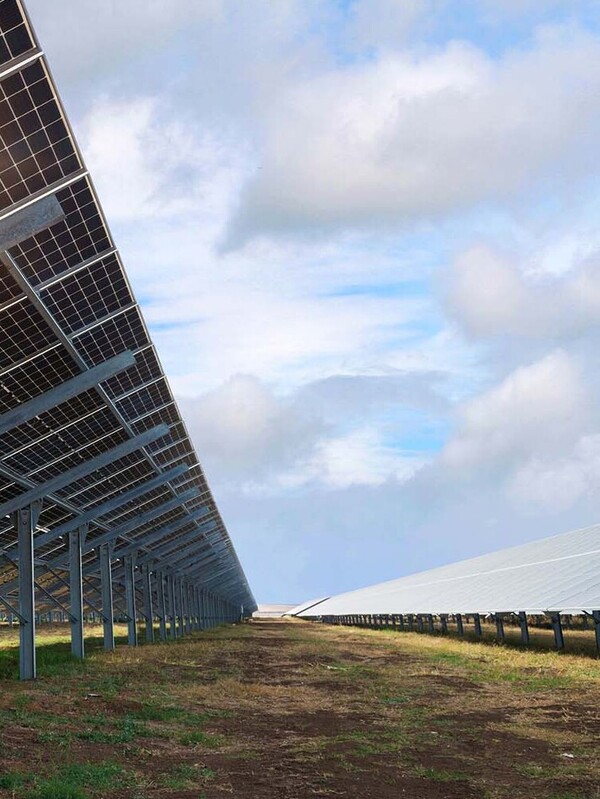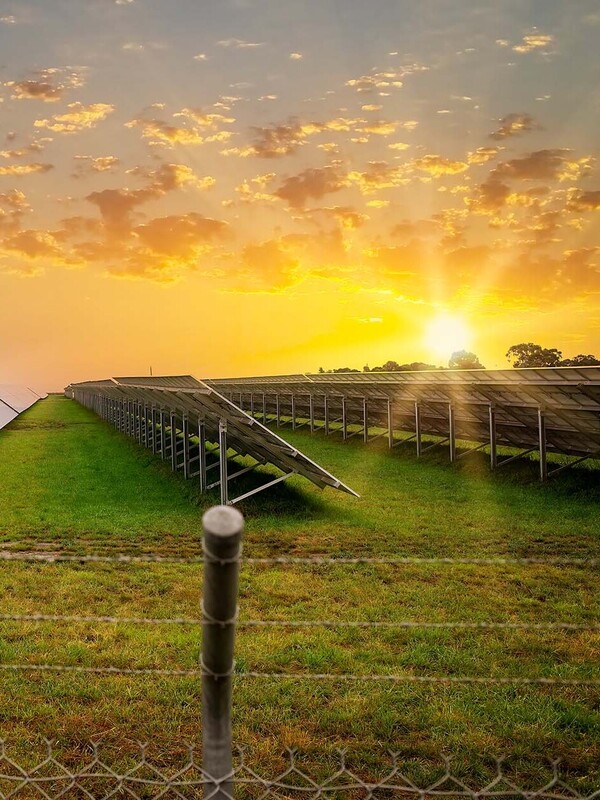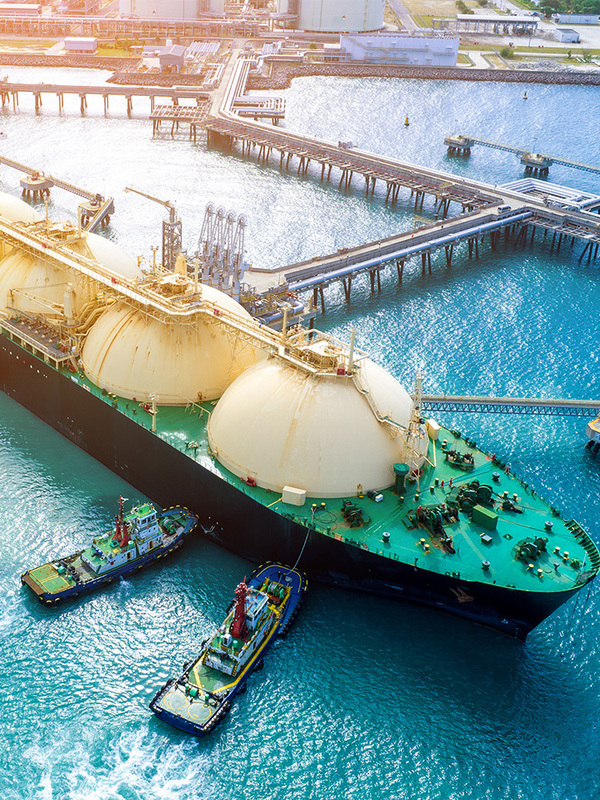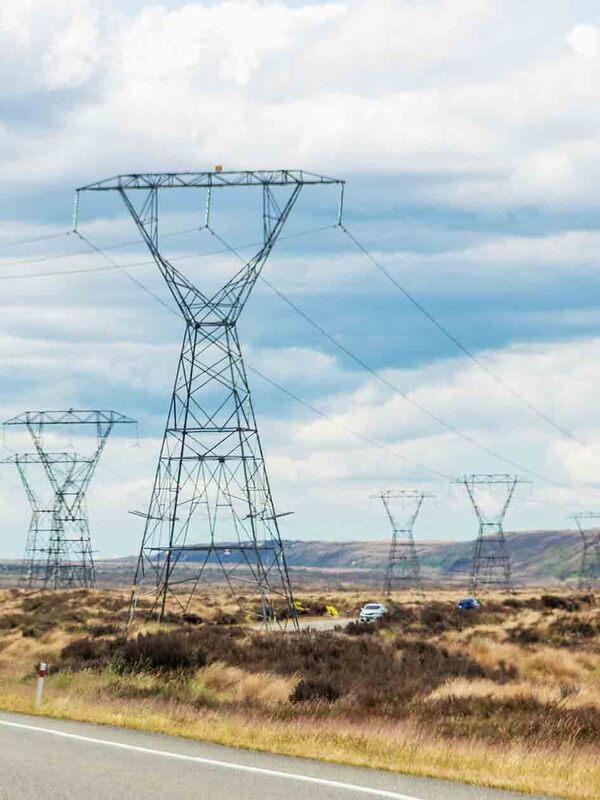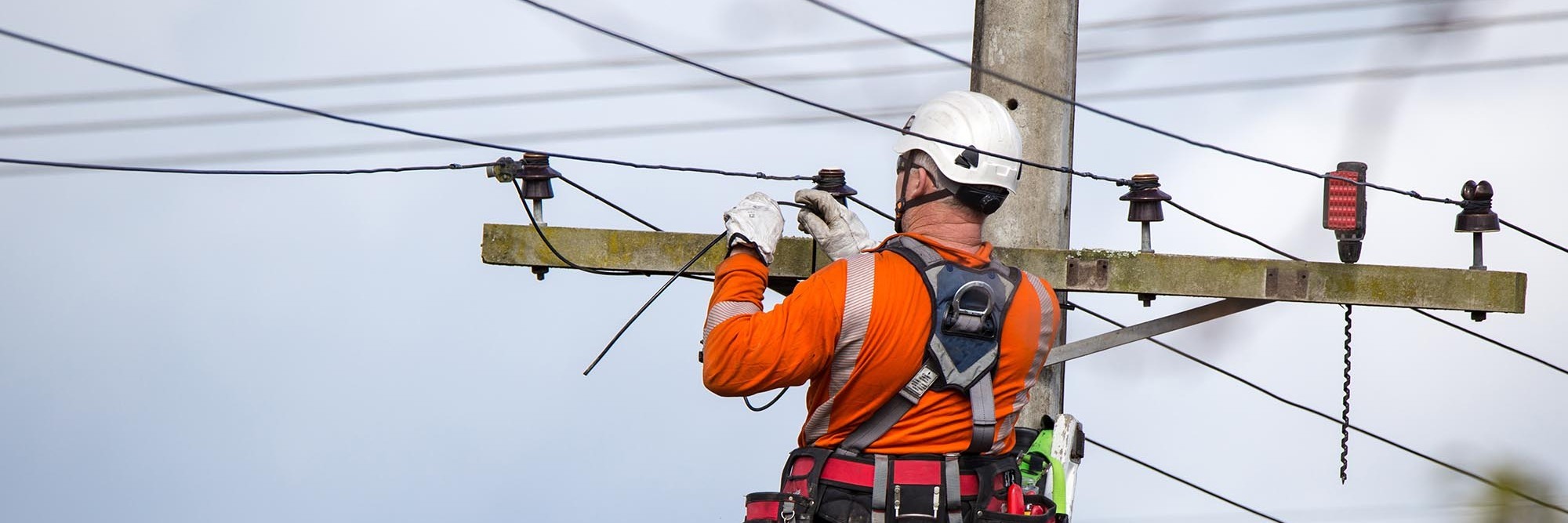
Resilience has become one of the defining global energy topics of recent years. Much of the focus has been on system-level resilience, including to risks such as cyber threats and geopolitical instability. Yet resilience at the physical asset level deserves equal attention. New and existing energy infrastructure assets are facing growing physical pressure from changes in our environment, at the same time as electrification is increasing demand on the system. As New Zealand embarks on one of the largest energy infrastructure build programmes in its history, the question for developers and asset owners is not simply how quickly we can build new assets, but whether those assets will remain fit for purpose over the long term.
What is resilience and why is it important?
The National Policy Statement for Renewable Electricity Generation (NPS REG) defines resilience as “the capacity of REG assets to absorb and recover from a shock or disruption, or adapt to changing conditions, while retaining an appropriate level of service as determined by the renewable electricity generation provider”.1
The resilience of the energy system, as a whole, is being considered by several organisations both locally and globally. Last year, the International Energy Agency convened a high-level roundtable on strengthening energy infrastructure resilience and international cooperation in the face of extreme weather events, cyberattacks, and other shocks and strains.2 Here in New Zealand, in the wake of Cyclone Gabrielle in 2023, the Department of the Prime Minister and Cabinet published a discussion document on strengthening the resilience of our critical infrastructure (including energy) system. Downer and NZEI’s Infrastructure Resilience Index (IRI), first published last year, identifies where our electricity sector is most vulnerable and where investment will have the greatest impact.3
According to the National Infrastructure Plan, New Zealand is in the top three OECD countries for reported natural hazard damage and the central government spent at least $33b responding to and addressing natural hazards between 2010 and 2025.4 When it comes to natural hazards, our infrastructure assets need to be resilient to both sudden events (e.g., an earthquake or flood) and long-term pressures. For energy assets, those longer-term pressures are not limited to where assets are located. They may affect design assumptions, expected asset life, maintenance cycles, access to sites, cooling requirements, foundation design, insurance availability and cost, and the ability to obtain finance on acceptable terms.
The Emergency Management Act 2026, which came into force this month, requires any entity which generates electricity for distribution through a network, or transmits or distributes electricity through a network, to ensure that the essential service delivered by its essential infrastructure is able to function to the fullest possible extent, during and after an emergency, even though this may be at a reduced level. These entities must also develop and maintain a plan to fulfil this duty.
When and how to consider resilience
Resilience can no longer sit alongside asset planning. It must be embedded within it and considered at every phase of an energy infrastructure asset, from design through to renewal. In July this year, the Commerce Commission published a draft guidance document for regulated infrastructure providers (including electricity networks) that are evaluating infrastructure resilience investments. It emphasises that “considering infrastructure resilience is not a standalone add-on exercise, but should be integrated into ordinary asset management, risk management, governance, organisational capacity and investment planning”.5
Planning for an uncertain future is hard. But data-driven decision making can help predict future stresses. Innovative tools are also increasingly available to help plan for resilience. For example, electricity distributor, Horizon Networks, is trialling AI-powered tool gridADAPT to help model the impacts of increasingly severe weather events against its systems, enabling it to make better planning and investment decisions.6
Stress-testing existing portfolios and planned developments for resilience goes beyond a practical consideration of what damage may occur and how well the asset will hold up. It should also include analysis of underlying contracts and insurance. Scenario planning may highlight gaps in risk management and allocation. For example, has resilience (and the costs of enhancing an asset) been built into contracts for long-term asset management?
Ageing infrastructure is increasingly at risk of failure, more so when it was not built to withstand current and future pressures. Proactive maintenance, rather than reactive investment following a disaster can be crucial. Infrastructure NZ’s Election Manifesto succinctly states: “poor asset management is a resilience problem”.7 It advocates for mandated asset management for all public agencies, with resilience planning embedded as a core requirement.
However, as the National Infrastructure Plan identifies, resilience investments need to be proportionate.8 Building for resilience comes at a cost. Rising insurance premiums may help with decisions on whether to invest in resilience, insure against risk or retreat from at-risk sites.9
The Commerce Commission’s draft guidance document referred to above sets out 11 key resilience principles underpinning robust infrastructure investment decisions. (Feedback on the draft has closed but a stakeholder workshop will be held on 7 October to discuss key themes emerging from submissions.) The Commission’s decision-making framework suggests:
- Understanding the risk (including multi-hazard awareness and risks at different scales).
- Evaluating impacts (including accounting for critical infrastructure interdependencies, distributional impacts, risk tolerance and risk-bearing capacity, and clearly defined asset criticality).
- Designing mitigation options (including structured development of options, comprehensive cost-benefit evaluation, and considering effectiveness of options with regard to cost and timing).
- Making decisions (including investment prioritisation and dealing with uncertainty).
For new infrastructure, contractual incentives can elevate resilience and motivate parties to deliver long-lasting infrastructure. Durability (and future renewals) should be embedded not just in design, but also in funding models. Demonstrable consideration of resilience and credible stress testing can also open up greater or more competitive access to capital and insurance.
New Zealand's energy transition requires substantial investment in new generation, storage, transmission and enabling infrastructure. The key question for industry participants is no longer whether assets are fit for today's conditions, but whether they will remain reliable, financeable and adaptable in the future energy system. Those resilience considerations are increasingly becoming strategic decisions rather than purely engineering ones.
Footnotes
1 Similar wording is used in the definition of “electricity network resilience” in National Policy Statement for Electricity Networks 2008: Amended December 2025 | Ministry for the Environment
2 IEA_High-LevelRoundtable_EnergyInfrastructureResilience_Summary.pdf
3 See also the New Zealand Lifelines Council New Zealand National Vulnerability Assessment (2023)
4 national-infrastructure-plan-03032026.pdf, p.44
5 Resilience-Principles-Decision-making-framework-for-critical-infrastructure-providers-Draft-guidance-document-3-July-2026.pdf, para 1.18
6 horizonnetworks.nz/news/rhizome-deploys-ai-powered-grid-planning-solution-for-horizon-networks-in-new-zealand/
7 INZ-Election-Manifeso-2026-v3-002-FINAL-20.07.26.pdf, p.11
8 national-infrastructure-plan-03032026.pdf, p.87
9 See New Zealand Infrastructure Commission (2025). Invest or insure? Preparing infrastructure for natural hazards, Wellington: New Zealand Infrastructure Commission/Te Waihanga.
Key contacts
Speak with one of our experts.